Career Readiness in Public Schools: Teaching Skills Beyond Standardized Tests
In 2025, discussions about education reform increasingly emphasize that career readiness must extend beyond test scores if public schools are to truly prepare students for life after graduation. For many students, success hinges not only on algebra or reading skills, but also on communication, critical thinking, adaptability, and real-world problem solving. To close the “skills gap,” public schools must adopt new approaches and metrics—and equip educators, students, and communities for a future that values more than standardized test performance.
This article explores why career readiness matters, what skills matter most, how public schools can integrate them, and how to evaluate success beyond test results.
Why Move Beyond Standardized Testing?
The Limits of Tests as a Sole Metric
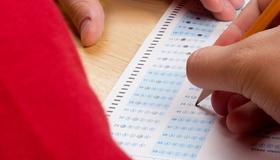
Standardized tests remain deeply embedded in public school accountability systems. Yet as critics and reformers note, overreliance on such tests distorts instruction, narrows curricula, and fails to reflect the full range of student readiness. Education Week The problem is not testing itself, but making tests the final arbiter of success—even when they capture only a fraction of what students must do in life or work.
The Skills Gap & Employer Expectations
Employers routinely report that recent graduates lack key “employability” or “career readiness” skills—communication, teamwork, initiative, digital literacy, self-management. icevonline.com Schools that focus narrowly on test preparation risk leaving students unprepared for their first job or further