What Does a Typical Day Look Like in Public School?
For many families, choosing between public and private schools comes down to a question of fit. While private and boarding schools often publish sample daily schedules, families exploring public school options may wonder: What does a typical day in public school actually look like in 2025?
Public school life varies by district, grade level, and state regulations, but most schools in the United States follow a structured pattern designed to balance academic instruction, social development, and extracurricular opportunities. This article breaks down a standard day in public school, while also highlighting how schedules are evolving in response to new technology, post-pandemic changes, and growing awareness of student well-being.
The Structure of a Public School Day
Start Times and Morning Routines
Most public schools in the U.S. begin between 7:30 a.m. and 8:30 a.m. Elementary schools often start earlier, while middle and high schools have been shifting later in recent years. In 2025, more districts have adopted later high school start times, reflecting research from the American Academy of Pediatrics showing that adolescents benefit from additional morning sleep.
A typical morning includes:
Arrival and homeroom or advisory check-in
Announcements, attendance, and pledge (in many schools)
First academic block, often English or math
Class Periods and Core Subjects
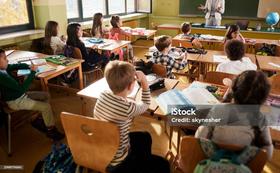
Public school schedules are usually broken into six to eight periods of 40–60 minutes each. Some districts use block scheduling, with four longer classes rotating every other day.
Core subjects include:
English Language Arts (ELA)
Mathematics
Science (biology, chemistry, physics, or general science)
Social Studies (history, civics, geography, or economics)
In 2025, digital literacy, coding, and media analysis are increasingly integrated into core instruction.
Electives and Specials
Public schools offer electives that allow students to explore interests beyond academics. Examples include:
Art, music, and theater
Foreign languages (Spanish, French, Mandarin, and others depending on the district)
Technology, robotics, or computer science
Physical education
Elementary schools rotate through “specials” like art, music, and PE a few times per week. High school students often choose electives that align with career or college goals.
Lunchtime and Breaks
Lunch typically lasts 20–40 minutes. The U.S. Department of Agriculture continues to regulate nutrition standards for public school meals, but in 2025 many districts are enhancing cafeteria offerings with farm-to-school programs and locally sourced ingredients.
Students may also have a brief recess in elementary school, usually 15–30 minutes, although middle and high school students often go directly from lunch to the next class period.
Afternoon Learning and Specialized Support
Afternoons often include a mix of electives, science labs, or project-based work. Many public schools dedicate part of the day to intervention or enrichment periods, where students receive targeted academic support or explore independent study.
Special education services are integrated throughout the day. Students with Individualized Education Programs (IEPs) may receive in-class support, resource room instruction, or specialized therapies.
Technology in the Public School Day
Technology is now fully embedded in the daily rhythm of public school. In 2025:
Most districts operate 1:1 device programs (Chromebooks or tablets).
Digital platforms like Google Classroom or Canvas structure assignments.
AI-powered tutoring tools supplement traditional instruction.
Interactive whiteboards and VR labs are common in STEM courses.
However, districts also enforce screen-time limits, balancing digital learning with face-to-face collaboration.
Extracurriculars and After-School Life
When the dismissal bell rings, the day is far from over. Public schools provide a wide range of after-school opportunities, including:
Athletics (football, soccer, basketball, track, etc.)
Performing arts (band, choir, drama productions)
Clubs (debate, robotics, student council, environmental action groups)
Extended-day academic programs or tutoring
Participation rates vary, but extracurriculars are often cited as one of the strongest aspects of the public school experience.
Sample Daily Schedule Comparison
| Grade Level | Typical Start Time | Morning Focus | Midday | Afternoon | End of Day |
|---|---|---|---|---|---|
| Elementary | 7:45 a.m. | Literacy, math | Lunch + recess | Science, social studies, specials | 2:30 p.m. |
| Middle | 8:00 a.m. | Core classes (ELA, math) | Lunch | Electives, PE, science labs | 3:00 p.m. |
| High | 8:30 a.m. | English, math | Lunch | Electives, AP/IB courses, extracurricular prep | 3:15 p.m. |
How Public School Days Differ from Private and Boarding Schools
Public schools generally offer larger class sizes and a more standardized curriculum than private schools, which may emphasize individualized learning or specialized pedagogy. Boarding schools, in contrast, extend the day with evening study halls and residential life activities.
For families weighing these options, comparing daily life can be illuminating. You can explore What a Typical Day Looks Like in Private School for context.
Key Trends Shaping the Public School Day in 2025
Later Start Times: More districts are adopting policies aligned with adolescent sleep research.
Flexible Learning Blocks: Project-based and interdisciplinary courses are replacing rigid period structures in some schools.
Mental Health Supports: Schools now include “wellness periods,” mindfulness breaks, or embedded counseling services.
Expanded Career Pathways: High school schedules increasingly feature dual-enrollment with community colleges, internships, and career-focused academies.
Equity Initiatives: Districts are reworking schedules to ensure equal access to AP courses, extracurriculars, and advanced STEM opportunities.
Expert Commentary
Dr. Maria Chen, an education policy analyst, explains:
“The public school day is no longer just about seat time in traditional subjects. Districts are experimenting with structures that emphasize real-world skills, wellness, and digital fluency. The trend is toward flexibility, while still maintaining the predictability families need.”
Conclusion
A typical day in public school balances academics, social interaction, and extracurricular growth. While every district adapts the model to its community, the daily rhythm generally follows a familiar structure: morning academics, midday lunch and breaks, afternoon electives or enrichment, and after-school programs.
For parents, understanding this rhythm is essential when comparing school options. Public schools provide structure and accessibility, while private and boarding schools may offer smaller class sizes or residential experiences. Ultimately, the “best fit” depends on a child’s learning style, interests, and family priorities.
For more insights into school life, explore Boarding School Review’s guide on daily schedules