Class Size in Public Schools: Does It Really Matter for Learning?
Few topics generate as much debate among educators and parents as class size in public schools. The question is straightforward: Does the number of students in a classroom truly affect learning outcomes? Yet the answer remains complex.
Class size in public schools has long been viewed as a proxy for educational quality. Parents often equate smaller classes with more personalized attention, while policymakers weigh the financial and logistical challenges of reducing student-teacher ratios. In 2025, as districts balance post-pandemic recovery, equity initiatives, and technology-driven instruction, the conversation around class size is more relevant than ever.
This article explores what research tells us, what has changed in recent years, and how families should think about class size in public schools when evaluating options.
Why Class Size Matters in Public Schools Personalized Attention and Engagement
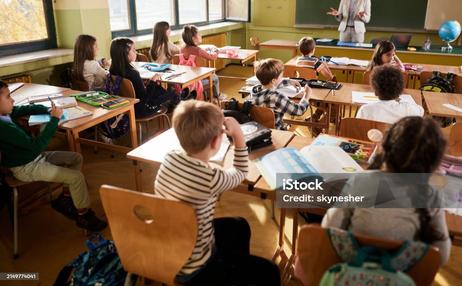
The most obvious benefit of smaller class size in public schools is the increased opportunity for individual student attention. Teachers can monitor progress more closely, provide targeted feedback, and adapt lessons to diverse learning needs.
Smaller classes also promote:
Higher student engagement in discussions
Stronger relationships between teachers and students
More active participation, especially among shy or struggling learners
Behavior and Classroom Management
In larger classes, teachers often spend more time managing behavior than delivering instruction. By contrast, smaller class size in public schools allows for smoother classroom routines, quicker conflict resolution, and a more supportive environment for social-emotional growth.
What Research Says About Class Size in Public Schools
Over decades, studies have yielded mixed results about the academic impact of class size in public schools.
The Tennessee STAR experiment (Student/Teacher Achievement Ratio), a landmark study from the 1980s, showed that students in smaller classes (13–17 students) outperformed peers in standard-size classes. Gains were especially pronounced for low-income and minority students.
More recent research from the U.S. Department of Education suggests that while smaller class size in public schools can boost early elementary achievement, the benefits diminish in higher grades unless accompanied by high-quality teaching.
A 2023 Wall Street Journal analysis noted that technology and AI tutoring tools may offset the disadvantages of larger classrooms, raising questions about whether traditional measures of class size are still the best indicators of learning quality.
Class Size Trends in Public Schools (2025 Update) National Averages
According to the National Center for Education Statistics (NCES), the average class size in public schools currently stands at:
Elementary school: 21 students
Middle school: 25 students
High school: 27 students
However, these averages mask significant variation by region, district funding, and community demographics.
Policy Shifts
Several states have recently passed legislation aimed at reducing class size in public schools, particularly in early grades. For example:
California continues to cap K–3 classes at 24 students.
Florida enforces strict limits through its constitution, though implementation varies.
New York City is phasing in a law requiring smaller classes across all grade levels by 2028.
The Role of Technology
In 2025, AI-driven personalized learning is reshaping the debate. Some districts argue that even with larger class size in public schools, adaptive digital platforms provide individualized instruction, freeing teachers to focus on relationship-building and higher-order thinking skills.
Comparing Public and Private School Class Sizes
Families often contrast class size in public schools with private or boarding schools, which typically boast smaller student-teacher ratios.
| School Type | Average Class Size | Distinctive Features |
|---|---|---|
| Public Elementary | 21 students | Wide variation by district funding |
| Public High School | 27 students | AP/IB courses may run larger |
| Private School | 12–18 students | More individualized instruction |
| Boarding School | 10–15 students | Seminar-style learning, extended day schedule |
For a deeper comparison, see What a Typical Day Looks Like in Private School.
Advantages and Limitations of Smaller Classes in Public Schools Benefits
Stronger academic gains in early grades
Better teacher-student relationships
Increased equity for disadvantaged students
More time for differentiated instruction
Challenges
Higher costs due to hiring more teachers
Limited classroom space in urban districts
Teacher shortages in key subject areas
Mixed long-term outcomes without concurrent investment in teacher quality
Expert Perspectives
Dr. Samuel Rivera, a professor of education policy, explains:
“Reducing class size in public schools is not a silver bullet. The research is clear that smaller classes benefit early learners, but the real driver of achievement is teacher effectiveness. Class size is one piece of a much larger puzzle.”
Meanwhile, teachers emphasize the practical benefits. As one 4th grade teacher in Texas shared:
“With 28 students, I’m constantly juggling behavior, grading, and individual needs. When my class was capped at 20 during the pandemic, the difference in student growth and my own energy was night and day.”
What Parents Should Consider
When evaluating class size in public schools, families should ask:
How does the district’s average compare to state guidelines?
What support structures (teaching assistants, intervention specialists, technology) supplement larger classes?
Does the school prioritize smaller classes in foundational grades (K–3)?
How are teachers supported in managing larger groups?
Parents may find that while class size in public schools is important, the quality of instruction, school culture, and access to extracurriculars may weigh just as heavily in shaping student outcomes.
Conclusion
So, does class size in public schools really matter for learning? The evidence suggests it does—particularly in early grades and for students who benefit most from individualized support. However, class size alone is not the ultimate predictor of success. Effective teachers, strong school leadership, and thoughtful use of technology all play crucial roles.
For families, the takeaway is clear: consider class size in public schools as one factor among many. A smaller class can provide a more supportive environment, but the right teacher in a larger classroom can also spark exceptional growth.
For more insights into how learning environments affect student outcomes, see Boarding School Review’s guide on classroom experiences
.